

Thanks to the World Cup, Atlanta is now written with a Ñ
There are many studies on the impact that mega-events like the olympics or soccer world cup have on the image of the country that hosts such events. Obviously, hosting an event of this category turns the country into the center of international attention and offers an unparalleled platform to project its priorities, its qualities and its national image. The host cities, specifically, are those that concentrate the impact of these major events, both in economic sphere and tourist, in city infrastructure, and in reputation at an international level. In Spain, the examples of 1992, the Barcelona Olympic Games and the Universal Exposition in Seville, are well known, which consolidated the image of Spain as a modern democracy in the eyes of thousands of attendees who experienced it first-hand and millions of spectators who paid attention from their homes around the world. But today, I come to talk about the Atlanta case.
Atlanta, a city converted into an international showcase
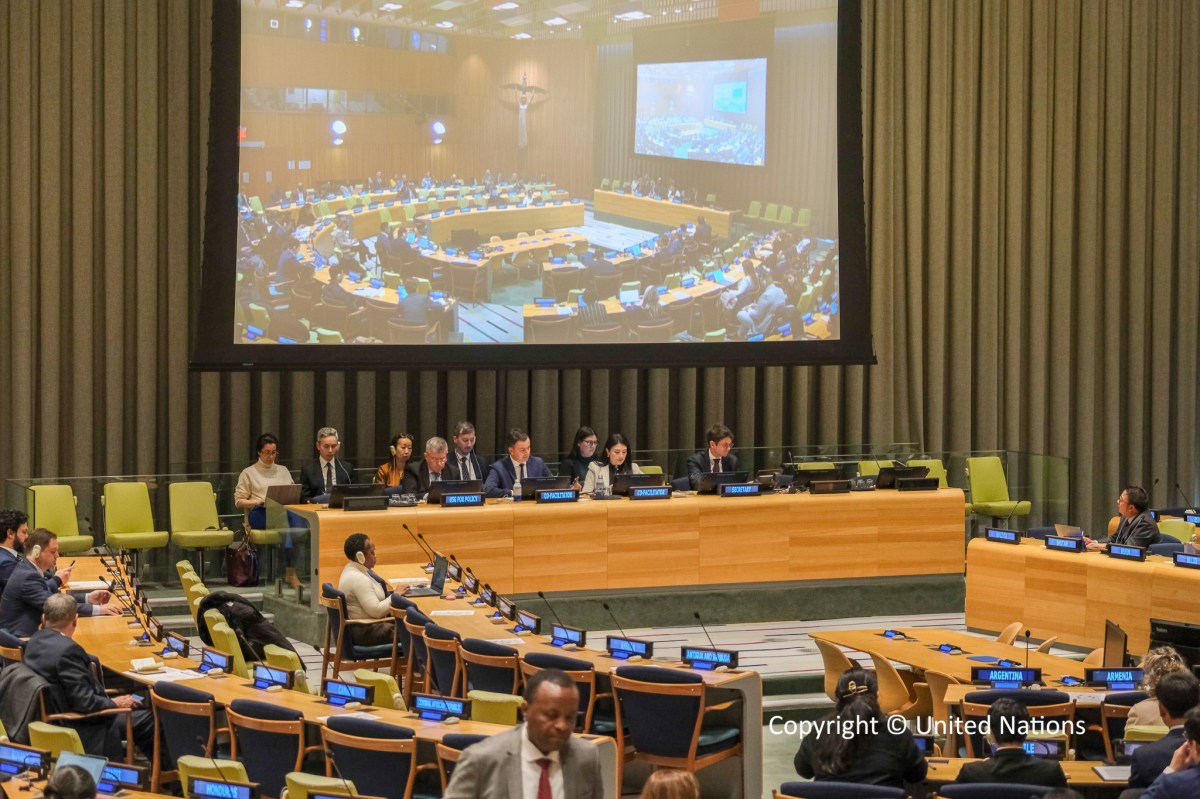
Atlanta, capital of the state of Georgia (USA) with a metropolitan population of more than 5 million inhabitants and busiest airport in the world, is today recognized as one of the host cities of the 2026 FIFA World Cup, which began this June. In recent months, the city of Atlanta has become a diplomatic center, engaging all types of government actors—from local leaders and foreign municipalities to embassies and international organizations—in World Cup-related meetings and programming. As the World Cup host, Atlanta hosts eight partiess – including one semi-final – one FIFA Fan Festival and, for the first time in FIFA World Cup history, one Spain House.
30 years ago, Atlanta hosted all the countries that participated in the 1996 Olympic Games. During an Olympics, the host city is filled with foreign visitors of all nationalities. But during a World Cup, the city does not receive all those attending the competition, but mainly fans from the countries whose teams play at that venue. In the case of Atlanta, its public diplomacy is aimed at the world and all those who want to visit it, but it is foreseeable that a good part of the tourists are fans of teams such as Morocco, the Czech Republic, Saudi Arabia or Spain, either due to their nationality or their affinity with these teams.
A week in which Atlanta spoke Spanish
At this year's FIFA World Cup match draw we learned that the Spanish Men's National Soccer Team would be lucky enough to play their first two group stage matches at the same venue, Atlanta, which makes up the 25% of World Cup matches being played in the city this year. With the uncertainty that comes with preparing for a championship of this type—not knowing how many rounds we are going to go through, what venues we are going to play in in the future or even what days—knowing that La Roja was going to play twice in the same city in the same week was a gift. Thus, both the Royal Spanish Football Federation (RFEF) and the Spanish Embassy in the United States, among other Spanish institutions, took advantage of the occasion to take their public diplomacy program to Atlanta, a city with a lot of technological and economic potential that does not have a large Spanish presence.
Although the most common thing would be to do a study of the impact of the World Cup in Atlanta as the host city, if we had the opportunity to carry out a study of the image of Spain in Atlanta, what would the surveys say? How many cities in Spain or how many players from the National Team could the Atlanteans know how to name? What opinion would you have of our citizens, leaders, professionals, or athletes? How many of them would plan their next vacation in Spain?
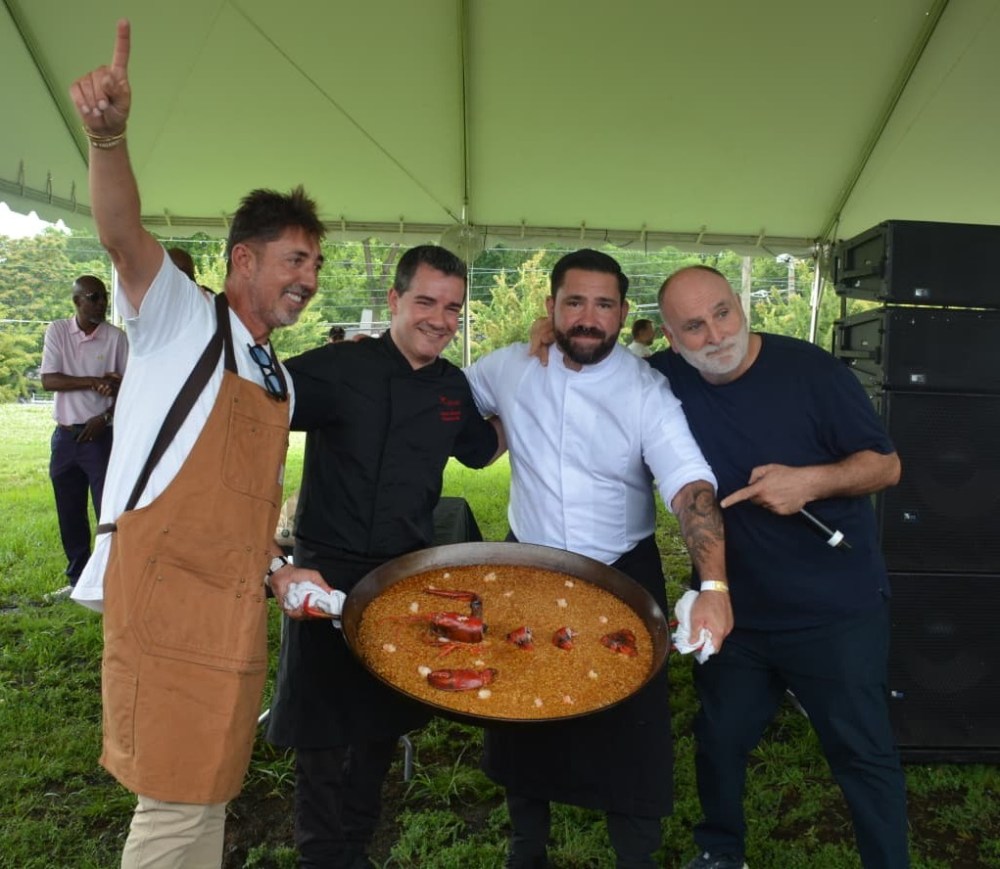
Let us keep in mind that during the first 10 days of the World Cup the Spanish presence in Atlanta was notable. As the venue for the first two matches of the Senior National Team, the RFEF took advantage of the occasion to set up a meeting place for fans – both Spanish visitors and American locals – that not only opened on match days. Casa España opened its doors daily from June 13 to 21, offering a meeting and leisure space that had a very diverse program including talks with the NFL, the celebration of Tapa Day, flamenco performances, and paella demonstrations. This last event was an initiative of the Spanish Embassy, which brought three Spanish chefs provided high-level paella demonstrations throughout Atlanta, both at Casa España and at the local Beltline Fest festival or at Georgia Tech University. This university, the most recognized in Atlanta, supported the Spanish cause with more emphasis perhaps because its president is the Spanish Ángel Cabrera. In addition to the paella master class for an academic audience, the university also hosted the exhibition Spain and Hispanics in the Independence of the USA in honor of the 250th anniversary of American independence, highlighting 16 Spanish and Hispanic figures who contributed to the Revolutionary War, including honorary citizen of the United States and former governor of Spanish Louisiana, Bernardo de Galvez. Other Spanish institutions opted for high-level seminars or round tables with a Spanish presence to take advantage of the World Cup's boost to Spain's visibility.
A footprint that remains
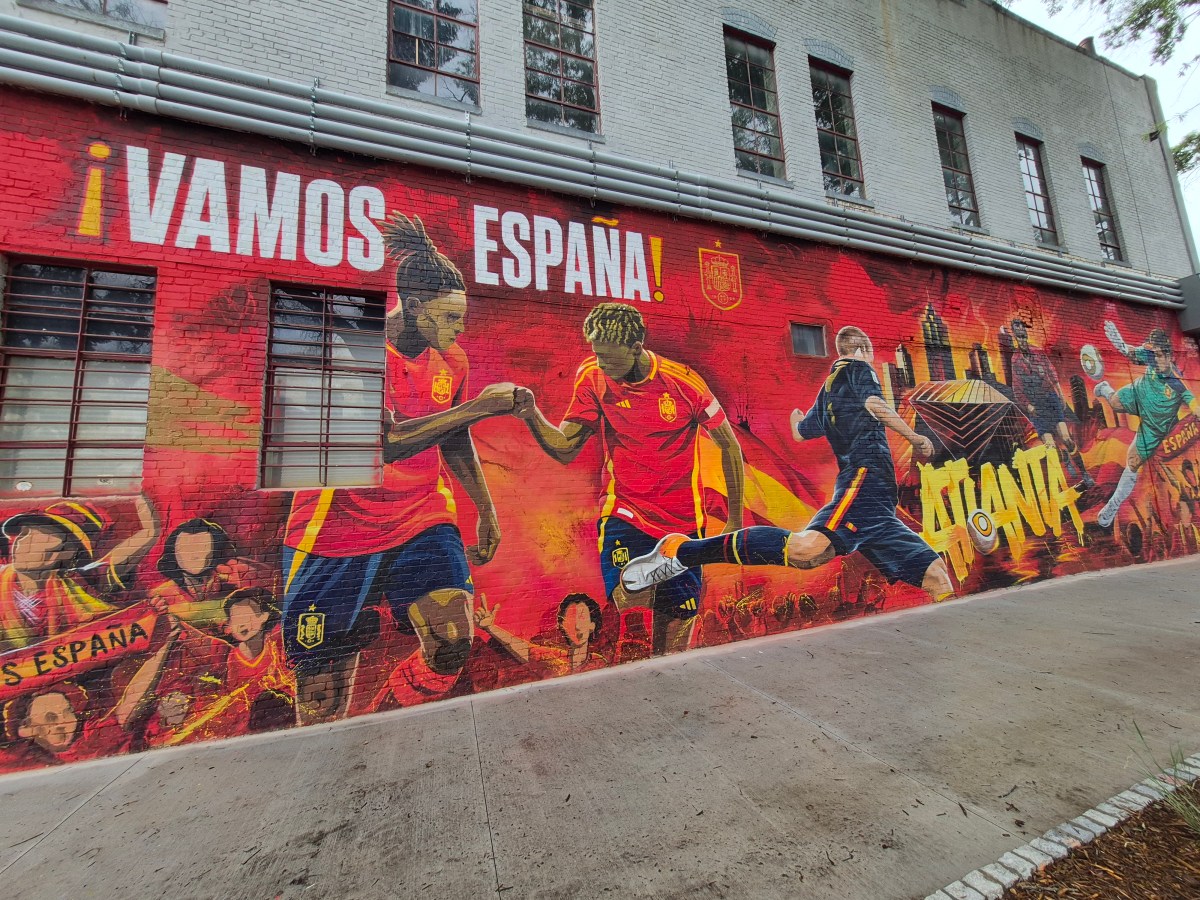
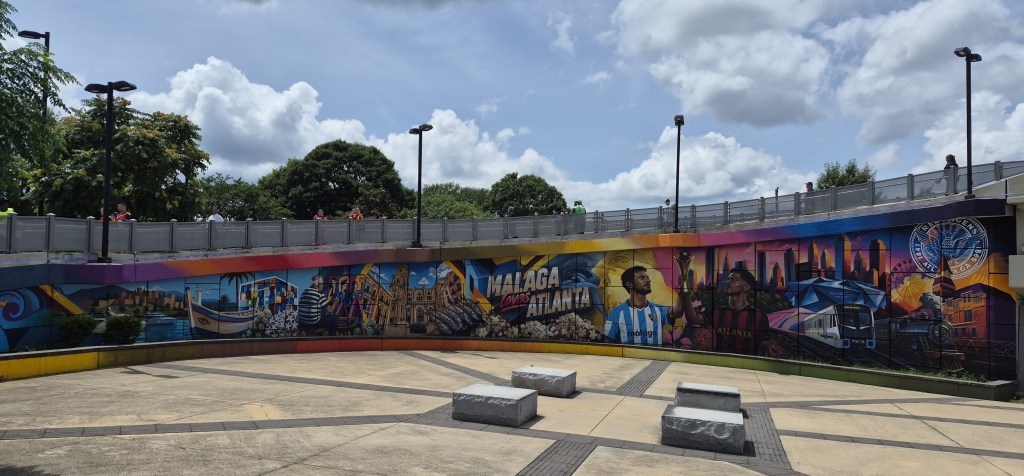
But the Spanish presence was neither ephemeral nor transitory. Although Spain's games in Atlanta have already been played, the city's American football team, the Atlanta Falcons, they come will face off against the Cincinnati Bengals this November in Madrid, at the Santiago Bernabéu. Many of the conversations and meetings that took place at these events led to connections and possible investments in both directions. More tangibly, since the inauguration of Casa España, the citizens of Atlanta will be able to enjoy the mark that Spain left when it played in their city whenever they want. In the South Downtown is one of the most emblematic murals of the National Team, where the greatest representatives and best moments of La Roja have been reflected among the city of Atlanta, from the first World Cup that Spain played in to the present, including Iniesta's unforgettable goal. As if that were not enough, the city of Malaga has left another permanent mark a few meters from the stadium where thousands of fans pass by with a mural that converges both cities and shouts Málaga Loves Atlanta.
Although Spain's journey in this World Cup is not over yet, we know that based on the path we have taken we will not play in Atlanta again. Of course, the memory we take with us of the good reception of the city, of the support of La Roja fans who traveled from all over the world, of the pilgrimage of the Spaniards to the stadium on match days, of that first goal by Lamine Yamal in the World Cup and that 4-0 against Saudi Arabia, is priceless. So, I wonder... if Atlanta has left such a mark on us, what impact have we had on the people of Atlanta?
***
Carla Cabrera Cuadrado
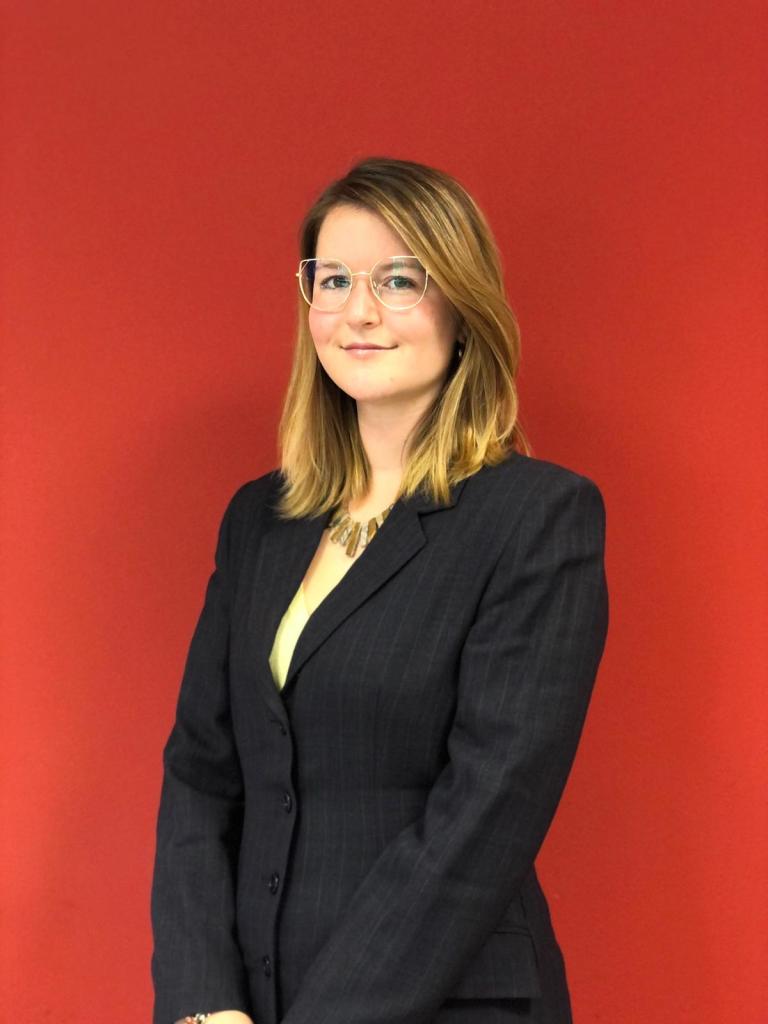
About the author: Carla Cabrera Cuadrado is a specialist in public diplomacy and international communication, with professional and academic experience in Spain, Europe and the United States. He is currently a Public Diplomacy Officer at the Spanish Embassy in the United States and a doctoral student at the University of Valencia. She has been a visiting researcher at Georgetown University and completed her Master's Degree in Intercultural Communication at American University thanks to a Fulbright scholarship. Carla is the author of the book How to Live on Scholarships and has academic publications in magazines such as Place Branding and Public Diplomacy, Journal of Public Diplomacy, or Communication & Society. She belongs to the Public Diplomacy Council of America (PDCA) since 2019 and is a partner of the Spanish Public Policy Network (SPPN) since its foundation.