


An IPCC for AI: the new bet of the United Nations
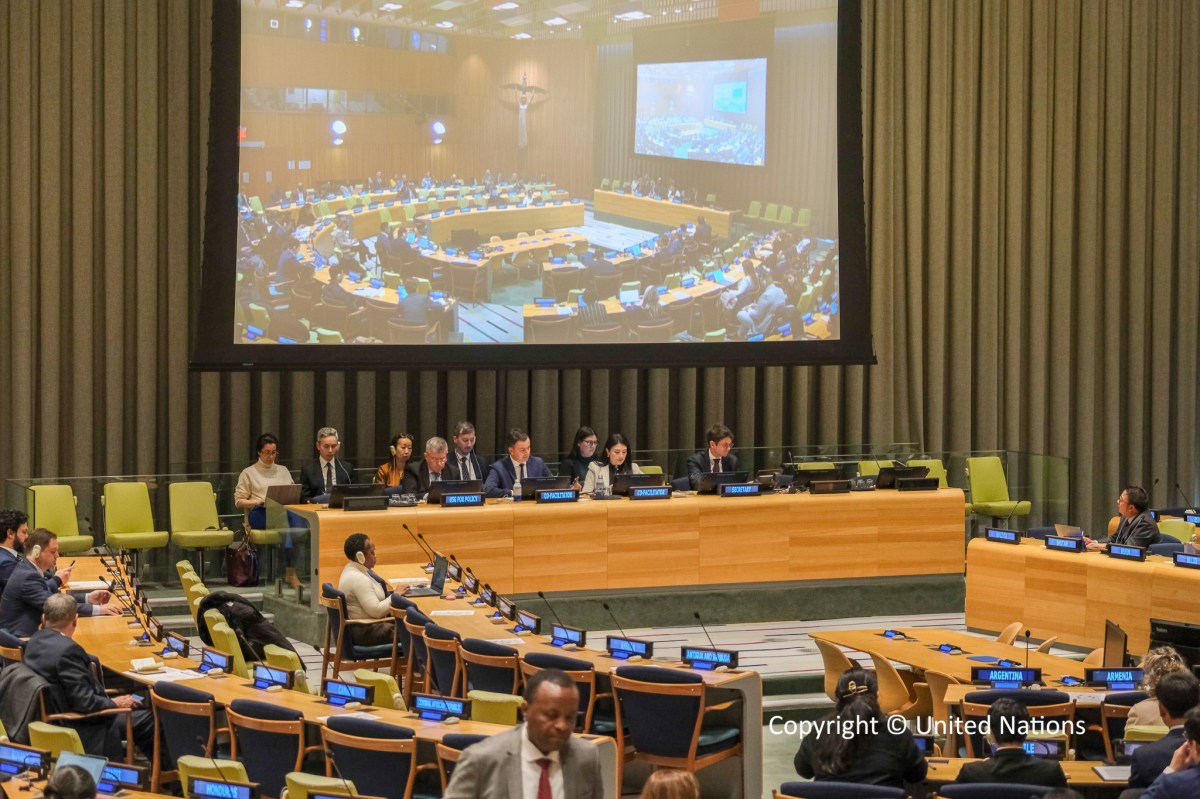
In a context marked by technological rivalry between powers and the rapid deployment of artificial intelligence systems, the United Nations General Assembly has taken an unprecedented step by creating an Independent International Scientific Panel on Artificial Intelligence and a Global Dialogue on the Governance of Artificial Intelligence.
This approval, the result of an arduous negotiation process led by Spain and Costa Rica that extended throughout 2025, represents a triumph for diplomacy at a time when the international community is more divided than ever.
On February 12, the same General Assembly approved the composition of said Scientific Panel, which will include among its members the Spanish theoretical physicist Román Orús.
In this article, we will analyze this new multilateral architecture for artificial intelligence (AI), its implications for the international community and the role played by Spain in its promotion.
The Independent International Scientific Panel on AI
The Panel is the first scientific body with a global mandate specifically dedicated to artificial intelligence; a kind of Intergovernmental Panel on Climate Change (IPCC), but focused on AI. The IPCC, remember, is the scientific body of the United Nations system created in 1988 whose evaluations provide the scientific basis for international negotiations on climate change, including the United Nations Framework Convention on Climate Change, as well as the Kyoto Protocol and the Paris Agreement.
It will be made up of 40 experts selected from more than 2,600 candidates, following an independent review carried out by the International Telecommunication Union (ITU), the UN Office for Digital and Emerging Technologies (ODET) and the United Nations Educational, Scientific and Cultural Organization (UNESCO).
The Panel's goal is to produce an annual report on AI impacts, risks and opportunities. Although the specific topics it will address are yet to be decided, we know that it will not issue any evaluation related to the use of AI in the military field, a particularly sensitive issue for States.
The selection process of its members followed criteria of scientific excellence, geographical and gender balance and institutional independence, all of which were agreed (not without difficulty) by the Member States during the negotiation process.
The Global Dialogue on AI Governance
Along with this new mechanism, the Global Dialogue is conceived as a multi-stakeholder platform for open, transparent and inclusive debates on how this technology should be governed. In this sense, it is important to underline the term “governance”: the Panel does not act as a regulatory body nor does it have the function of establishing or enforcing standards. Their role is to provide rigorous, evidence-based analysis to support policymaking. Ultimately, the regulation of artificial intelligence remains the exclusive responsibility of States.
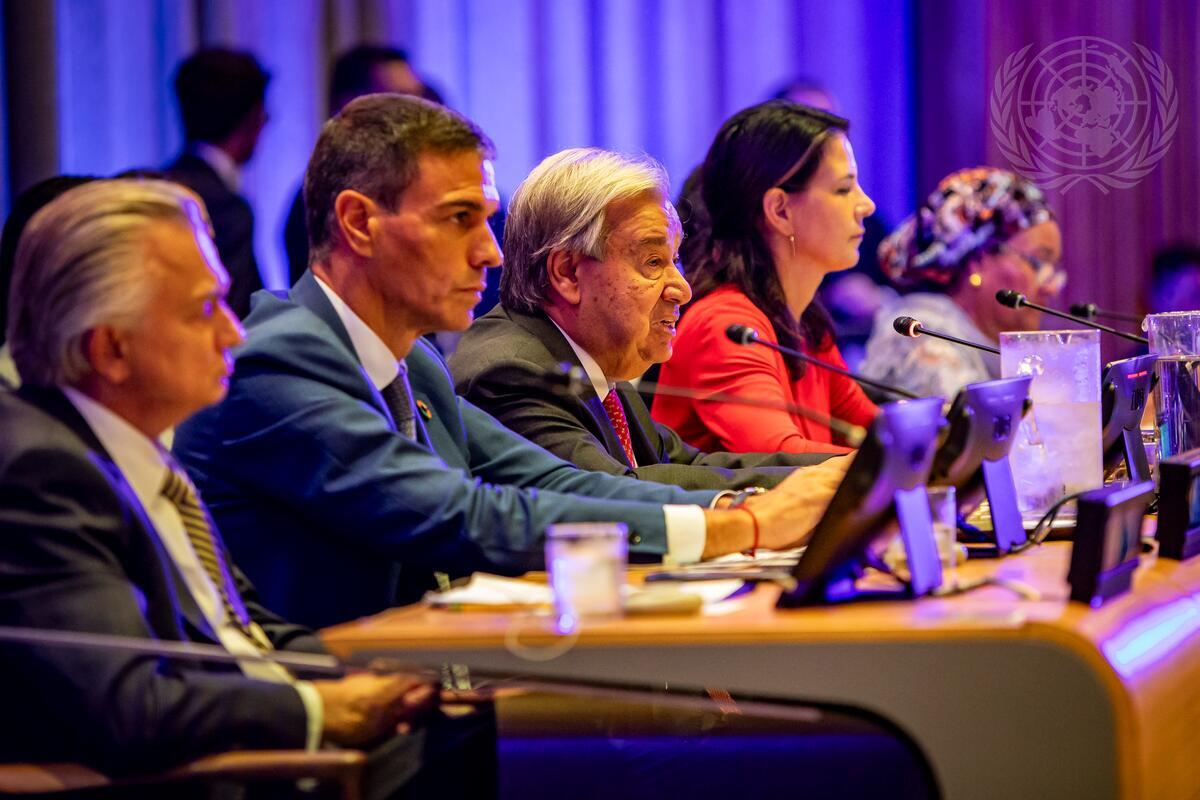
Its launch event took place during the United Nations High Level Week 2025 and was chaired by the UN Secretary General, António Guterres, the President of the Government of Spain, Pedro Sánchez, and the Chancellor of the Republic of Costa Rica, Arnoldo André Tinoco. Representatives from the technology community, the private sector and civil society also attended.
The Dialogue is expected to be held annually in parallel with other relevant UN conferences and meetings, alternating between Geneva and New York.
Importance and scope
The creation of these mechanisms represents an unprecedented milestone in multilateral cooperation on AI, establishing for the first time a truly universal governance framework, distinct from existing regulatory regimes at regional levels, such as the European Union Artificial Intelligence Law.
Its relevance is based on three key aspects: the functioning of the Panel as an early warning system, by identifying risks associated with AI; the production of rigorous reports that serve as a basis for policy formulation by Member States; and its inclusive and comprehensive approach, which will allow artificial intelligence to not be addressed solely from the perspective of technological powers, and for countries with less technological development, including those in the Global South, to have greater technical support, thus contributing to reducing capabilities gaps.
For its part, the Global Dialogue will complement the technical work of the Panel by offering a multilateral space in which governments and other actors can exchange experiences, lessons learned and good practices.
The role of Spain
As noted, Spain has played a key role in the creation of both the Panel and the Global Dialogue, by acting as a co-facilitating country of the negotiation process together with Costa Rica.
The Permanent Representatives of both countries, Héctor Gómez and Maritza Chan, were appointed in November 2024 by the former president of the United Nations General Assembly, Philémon Yang, to lead this process, which culminated successfully in August 2025 with the approval by consensus (that is, without a formal vote) of the resolution A/RES/79/325. Although the resolution was adopted without formal opposition, it is worth noting that the United States expressed its disagreement with the text's references to gender issues and the Sustainable Development Goals (SDGs).
Regarding the private sector, it should be noted that large technology companies such as Meta, TikTok, Google and Microsoft were present in the negotiation process.
Spain has defended that the Global Dialogue be a space that is “open, inclusive and respectful of the will of the Member States.” Regarding the Panel, the Spanish ambassador has highlighted three essential principles: independence, urgency and institutional support.
According to its position, the Panel must maintain a rigorous and impartial approach in the face of external pressures, be constituted quickly and ensure the equitable participation of States and the inter-institutional team of the UN itself.
Furthermore, Spain has expressed its willingness to host the first in-person meeting of the Scientific Panel, thus reaffirming its commitment to strengthening the global governance of artificial intelligence.
Next steps
The Panel will present its first report at the first Global Dialogue on AI Governance, to be held in July 2026 in Geneva, Switzerland, on the sidelines of the AI for Good World Summit. In this way, the deliberations of the international community at the Dialogue will be organized around the conclusions of the Panel.
We will be attentive to your recommendations.
***
Antía García

About the author: Antía García is Communications Officer at the Permanent Representation of Spain to the United Nations in New York, where she carries out her work in the field of digital communication, public diplomacy and media relations. Previously he was Cultural Affairs Coordinator at the Consulate General of Spain in New York, performing cultural management and institutional communication functions. She graduated in Law from the University of A Coruña and has a Master's Degree in International Studies from the University of Santiago de Compostela.